Many companies start on WordPress thinking about a simple, accessible, quick to set up tool. We install a theme, we make a few pages, and the trick is done. For a personal blog, ephemeral page or MVP, this is often enough. But when the site becomes a strategic communication tool, a conversion platform, or the relay of a larger ambition, this solution quickly shows its limits.
For example, a business need that does not fit into the boxes, a third-party tool that needs to be properly interfaced, governance or a contribution to be reviewed. And a site, with contortion, no longer follows.
This is where the custom development on WordPress comes in, to take over the architecture, features and experience — both the visitor and the contribution team. And above all, to align with the company's strategic vision.
Custom development WordPress: what does it really change?
When you think of WordPress, you often imagine a site creation tool based on preconceived templates, quick to deploy, easy to use. And that can be true. But it would be forgetting that at the base, WordPress is an open-source CMS, ultra flexible, able to propel custom platforms as powerful as sustainable.
At Be API, when we talk about custom developmentWe're not talking about a craft approach. It's about designing a WordPress platform like a company: solid and scalable, which supports operations, fluidizes collaboration, and becomes a lever at the service of the digital strategy and the technical architecture of the organization.
Customization can take several forms:
- Creation of a design system composed of customised Gutenberg blocks.
- Implementation of modular and scalable architecture.
- API integrations with existing business tools (CRM, ERP, DAM, etc.).
- Organization of the back office to simplify the contribution while keeping control over permissions and content quality.
The tool (Gutenberg, page builder, no-code...) does not define by itself whether it is custom-made or not. One can create a personalized experience with a builder, as one can make ready-to-use with a custom theme poorly designed. Everything is about approach and technical mastery.
What makes the tailor-made is the level of relevance and adaptation to the customer context, both functional and technical.
The key steps of a custom WordPress project
A successful tailor-made project is based on a rigorous methodology, but above all on a good understanding of the business context, technical constraints and ongoing collaboration between the teams. Here's how we approach each step at Be API.
1. Project framing and launch
It all starts with a listening and auditing phase: business objectives, SI constraints, technical environment, team organization, digital maturity... The foundations for a coherent project strategy are laid, aligned with the realities of the company and its technological ecosystem.
2. Technical architecture and choice of base
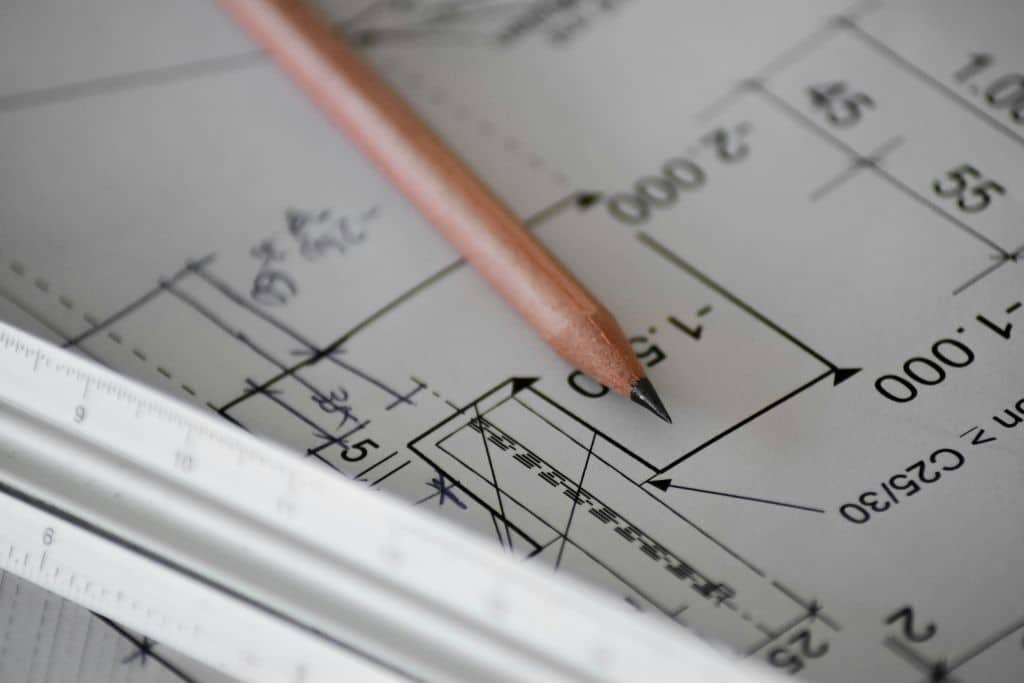
We don't build a house without a plan. So we define the architecture of the site, the data flows, the necessary integrations (REST API, webservices, SSO...), the user roles, the logic of deployment, and how each brick will interact with the whole. The objective: to establish a robust and secure technical foundation to support the platform's growth and industrialisation objectives.
3. Block design and system design
Design system is at the heart of our approach. It ensures the graphic and functional consistency of the site, while providing real layout flexibility to the teams. Each block is designed to be reusable, documented, accessible, RGAA compatible, and optimized for performance. Gutenberg can be used here as a powerful lever of modularity — without being a forced passage.
4. Development and integration
The development follows the strictest WordPress standards, especially those of WordPress VIP. Unit tests, linting, clear separation of responsibilities, decoupling front/back, versioning via Git, Docker environment: the technical stack is designed to last. We develop with a logic of scalability, safety and performance.
5. Tests, recipe, quality
Each feature is tested: functional tests, user tests, accessibility tests, multi-navigator rendering validation. Limit cases, contribution errors, load problems are anticipated. The recipe is structured and accompanied.
6. Production and RUN
The web posting is orchestrated to avoid any addict. Deployment pipeline, backups, rollback, critical point verification. Then we go into the RUN phase: support, version mounts, monitoring, functional changes... A tailor-made project lives and evolves. It is thought to last, technically and strategically.
Why choose a custom development for WordPress?
Behind the choice of tailor-made, there is rarely a simple will to « doing better ». There are daily irritants, critical needs, non-negotiable business requirements. The custom WordPress development then becomes a strategic lever to support the company's ambitions, fluidize processes and equip teams — with a reliable, efficient and aligned technical base with digital transformation objectives.
Here's what our customers are looking for in a tailor-made approach:
Optimize performance at all levels
A fast, well coded site, without unnecessary overload, is a gain for user experience, SEO, accessibility and brand image. Tailor-made makes it possible to go straight to the goal, without compromise, by eliminating unnecessary dependencies and superfluous generic scripts.
Building on a reliable, scalable technical basis
No more gas plants difficult to maintain. A clear, modular, documented structure is designed without critical dependencies, which can evolve with the company's needs. It is a sustainable technical asset, serving the operational efficiency and agility of digital teams.
Alignment with safety and compliance requirements
The ISDs are sensitive: finely managed permissions, history of changes, auditability, backup and monitoring systems, GDPR compliance, hardening accesses, logging... Tailor-made products meet internal standards while remaining agile.
Optimized user experience (UX/IU)
It's not because it's WordPress that we have to settle for standard grids. Both visitors and content teams think of L-UX. And this is often where magic works: fluidity, clarity, team autonomy... Everyone wins.
Good practices: what makes a custom project successful
A good tailor-made project is based both on substance and form. Here are some benchmarks that make the difference:
- Do not reinvent the wheel: WordPress has its own standards, architecture, conventions. By leaning intelligently on it, one avoids drifts, while remaining in a DRY logic (Don
- Anticipate maintenance : a good project is not only successful at the launch, it must remain so 6, 12 or 24 months later. Hence the importance of planned updates, technical documentation, and controlled technical debt.
- Building on collaboration : a tailor-made project is being built with the teams. We must involve, document, transmit. The onboarding of internal teams is key to ensuring autonomy and competence.
- Choose the right partner : methodology, project culture, WordPress expertise, long term support capacity... This ensures that the project takes place in time at all levels.
In conclusion: make the right choice, for the right reasons
What we mean by this article is that WordPress can go far beyond what one often imagines. If the right approach is taken.
Custom development is not unnecessary luxury or complexity. It is a concrete way to align your website with your business challenges, technical constraints, internal requirements. It's building a tool that integrates, lasts, and actually provides you with daily service.
And it's not just for "big projects": sometimes it's enough for a well-thought-out block, a well-structured base, or a redesigned back office to change everything.
At Be API, we accompany companies of all sizes at each stage of their reflection: framing, technical audit, roadmap, development, maintenance...
If you ask yourself questions about your current site, or the best way to structure your next WordPress project, we will be delighted to discuss it — without commitment, even without a defined project.